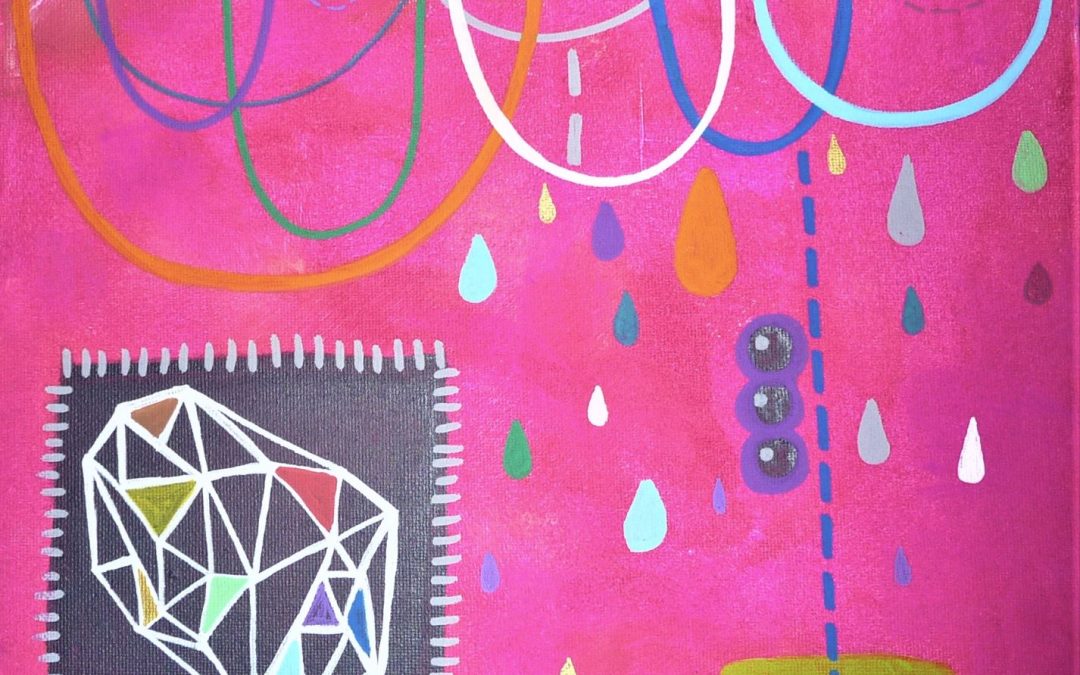
Journal of Creativity and Inspiration INTERVIEWS Where time is irrelevant: Emma Louise Harris interviewed by Gil Dekel Emma Louise Harris and Gil Dekel [Authors’ info] 5 July 2024 – Vol 2, Issue 3. Gil: We can see free-flowing lines in your art, but also...
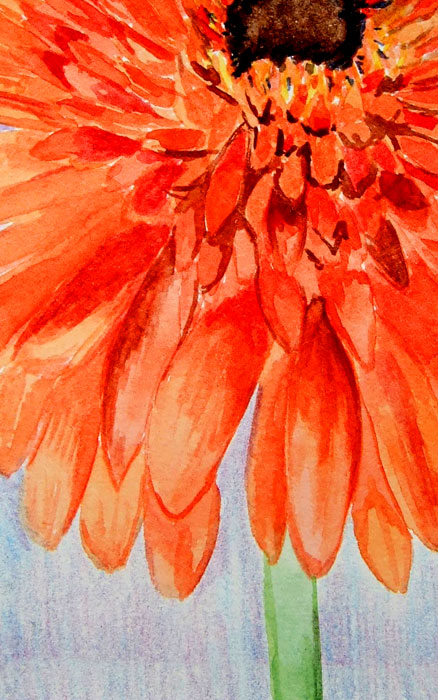
מלאני צ’אן (Melanie Chan) ציירת בצבעי מים, בראיון עם גיל דקל. גיל דקל: את מתמחה בציורי פרחים בצבעי מים. מה את רואה בפרחים? [1] מלאני צ’אן: אני רואה את היופי של הטבע בפרחים, ואני נדהמת משלמותם ומהסימטריה שלהם. כשאני מתחילה לצייר, הראש שלי מתחיל להירגע,...
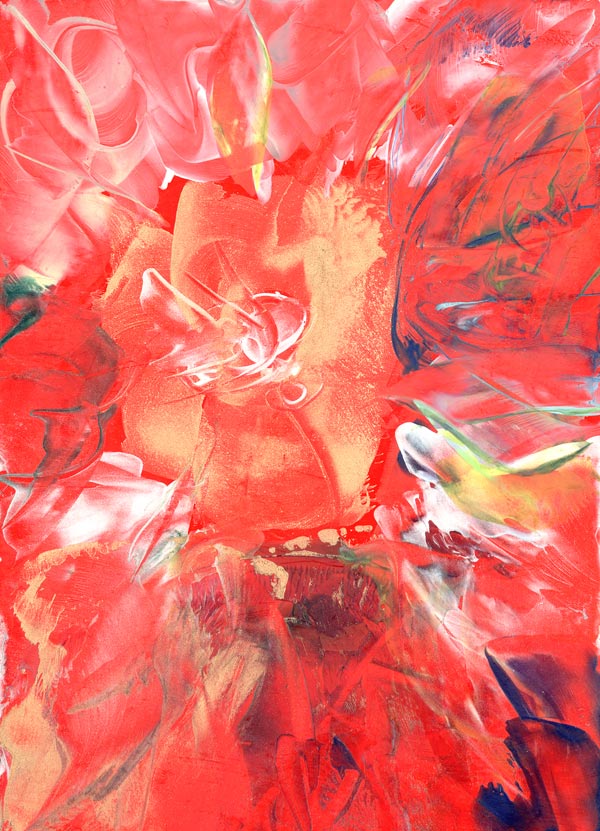
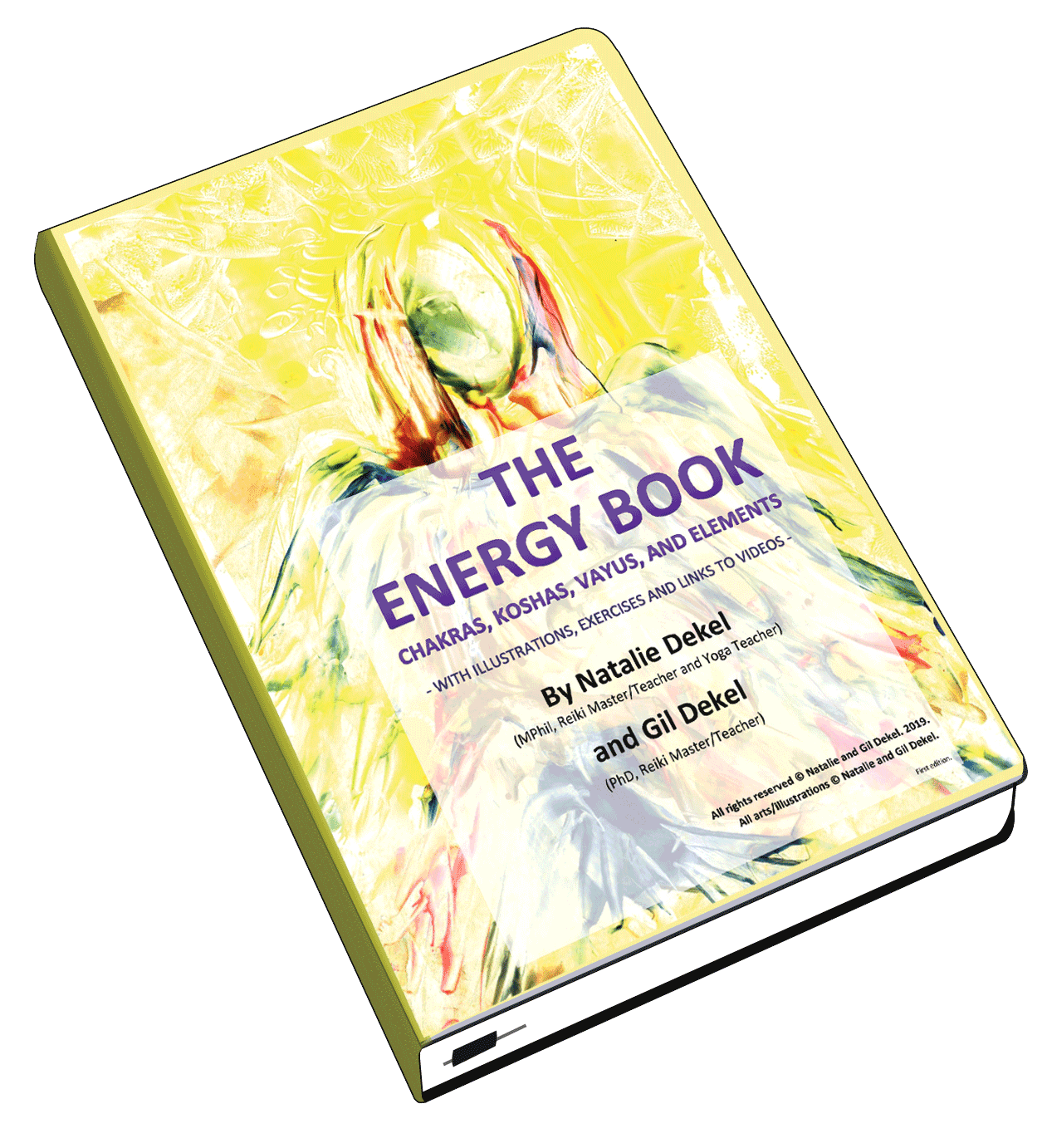
By Natalie Dekel. The following paintings were created using coloured-wax applied with heated iron onto glossy cards. This technique is called encaustic wax. The technique involves the application of coloured wax onto a heated iron, which causes the wax to melt. When...
Short interview with academic and painter Barbara Howey. Natalie Dekel: I know from reading your PhD thesis that your mother’s passing led you to start painting. Do you still feel that painful moments from the past lead you to create your current works? [1]...
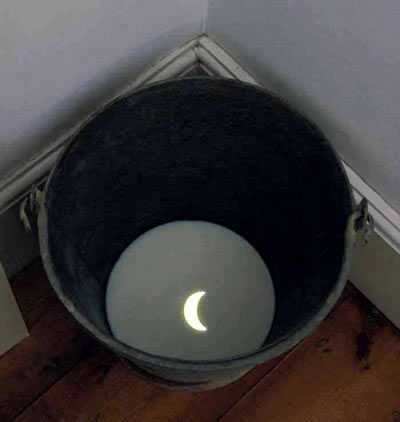
Installation artist David Johnson interviewed by Gil Dekel. Gil Dekel: Your work has undergone an interesting evolution over the years. [1] David Johnson: When I was young I used to paint and draw and make mono-prints. I studied architecture originally, but gave...
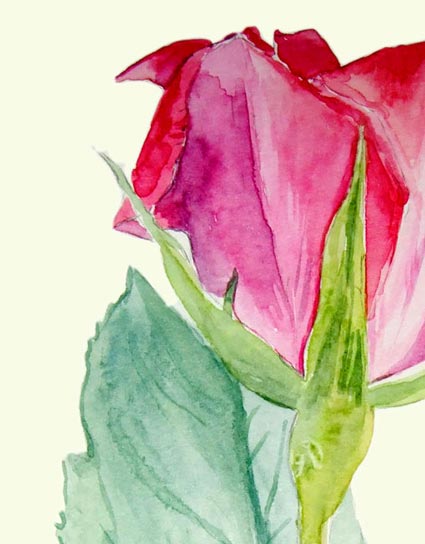
Watercolour painter Melanie Chan interviewed by Gil Dekel. Gil Dekel: You specialise in watercolour paintings of flowers. What do you see in the flower? [1] Melanie Chan: I see the beauty of nature in flowers, and I am amazed by their perfection and their symmetry....
Mandala painter, Barry Stevens, interviewed by Gil Dekel. Gil Dekel: Mandalas are usually round, or I should say circular around a centre. As such they do not seem to have an up or down, left or right. How do you then ‘plan’ the painting? [1] Barry Stevens: The...


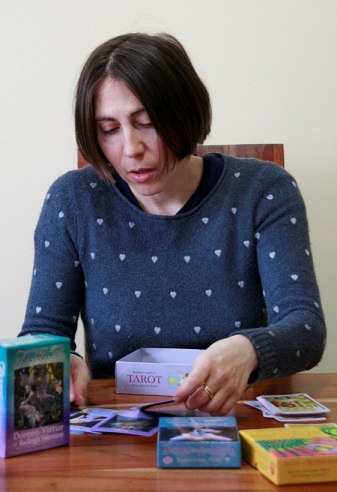 - Reading with Natalie, book here...