Poetry Maker Tool Select a few words from the text, and click ‘Cut out’. You can also add your own text. A tool to create new meanings. Select a few words that resonate with you, then click ‘cut out’ to show the words and hide all the rest. A...
Inspiration: a functional approach to creative practice. PhD thesis in Art, Design & Media, by Gil Dekel. 18. References Ackroyd, P. (2006) The Romantics. London: Open University for BBC2. [DVD Video] Albright, M. (2003) Madam Secretary: A Memoir. London:...
Inspiration: a functional approach to creative practice. PhD thesis in Art, Design & Media, by Gil Dekel. 17. Appendices (pt 4 of 4) – Feedback on films Feedback received from audiences on the films and videos created by Gil as part of the research. All...
Inspiration: a functional approach to creative practice. PhD thesis in Art, Design & Media, by Gil Dekel. 17. Appendices (pt 3 of 4) – Content analysis of interviews The analysis is organised into three tables: poets, painters, and installation artists:...
Inspiration: a functional approach to creative practice. PhD thesis in Art, Design & Media, by Gil Dekel. 17. Appendices (pt 2 of 4) – Action table/list Main academic and artistic activities undertaken by Gil for this PhD research, between Feb 2006 – Jan...
Inspiration: a functional approach to creative practice. PhD thesis in Art, Design & Media, by Gil Dekel. 17. Appendices (pt 1 of 4) The appendices in the submitted printed PhD thesis included: The interviews, Content analysis of interviews, DVD films, CD...
Inspiration: a functional approach to creative practice. PhD thesis in Art, Design & Media, by Gil Dekel. 16. Suggestions for further research Inspiration is situated in this research as an integral part of the creative process, which can be demonstrated in...
Inspiration: a functional approach to creative practice. PhD thesis in Art, Design & Media, by Gil Dekel. 15. Thesis conclusions This research demonstrates that creativity is a natural process that is bound into many aspects of life. Rather than being a...
Inspiration: a functional approach to creative practice. PhD thesis in Art, Design & Media, by Gil Dekel. 14.4 Conclusions of the experiment I conclude from this workshop that audiences, even those who are not artists, were receptive to a creative process...
Inspiration: a functional approach to creative practice. PhD thesis in Art, Design & Media, by Gil Dekel. 14.3 The workshop experiment As participants were arriving they all apologised for ‘not being creative’, and suggested that they ‘do not engage much in...
Inspiration: a functional approach to creative practice. PhD thesis in Art, Design & Media, by Gil Dekel. 14.2 The structure of the guidance I designed a guided ‘journey’ focusing on three main themes that I had covered in my research and wanted to examine...
Inspiration: a functional approach to creative practice. PhD thesis in Art, Design & Media, by Gil Dekel. 14.1 Practical preparations The Art House gallery/café in Southampton was chosen as the venue, as it is conveniently located in the city centre, it...
Inspiration: a functional approach to creative practice. PhD thesis in Art, Design & Media, by Gil Dekel. 14. Testing the conclusion in practice – a participatory art workshop experiment ‘The Collective Hearts’ In order to examine how the thesis findings...
Inspiration: a functional approach to creative practice. PhD thesis in Art, Design & Media, by Gil Dekel. 13. Conclusion of body chapters 10-12 Observing the process of creating art works for this research, as well as reflecting on artists in the interviews...
Inspiration: a functional approach to creative practice. PhD thesis in Art, Design & Media, by Gil Dekel. 12.3 Summary of chapter 12 The act of application involves experiencing reality in a way that sharpens the sense of perception of beauty. With the...
Inspiration: a functional approach to creative practice. PhD thesis in Art, Design & Media, by Gil Dekel. 12.2 Space With a sense of appreciation of the environment, artists allow the observed reality with its beauty to form a part of the artist’s own...
Inspiration: a functional approach to creative practice. PhD thesis in Art, Design & Media, by Gil Dekel. 12.1 Place Artists are inspired to create their work in places, such as nature, cities, galleries and people’s homes. However, artists seem to have a...
Inspiration: a functional approach to creative practice. PhD thesis in Art, Design & Media, by Gil Dekel. 12. Application With the artistic ideas ready to be applied, the artist allows the external reality to affect the final shaping of the work, in a...
Inspiration: a functional approach to creative practice. PhD thesis in Art, Design & Media, by Gil Dekel. 11.3 Summary of chapter 11 I conclude from the above that artists’ experiences are given initial boundaries within abstract shapes that allow for the...
Inspiration: a functional approach to creative practice. PhD thesis in Art, Design & Media, by Gil Dekel. 11.2 Movement The need to express inner purity in art work sees the artists using vivid and transparent colours as a mean to create intense visible...
Inspiration: a functional approach to creative practice. PhD thesis in Art, Design & Media, by Gil Dekel. 11.1 Shape The artistic experiences that I examined are manifested from the inner reality and to the external environment through shapes and colours....
Inspiration: a functional approach to creative practice. PhD thesis in Art, Design & Media, by Gil Dekel. 11. Internalisation Following the process of acknowledging and producing the impression of words and images, the artist then moves to a process of...
Inspiration: a functional approach to creative practice. PhD thesis in Art, Design & Media, by Gil Dekel. 10.4 Summary of chapter 10 Carl Jung (1972: 21–23) asserts that there are unconscious aspects to the perception of reality through the senses. The...
Inspiration: a functional approach to creative practice. PhD thesis in Art, Design & Media, by Gil Dekel. 10.3 Acknowledging With heightened emotions and an urge to create comes a process of acknowledgement, where the artist makes an intuitive response to...
Inspiration: a functional approach to creative practice. PhD thesis in Art, Design & Media, by Gil Dekel. 10.2 Feeling Once artists open up to the inner voice, they seem to attach to it an emotion or a specific feeling, which makes the experience specific...
Inspiration: a functional approach to creative practice. PhD thesis in Art, Design & Media, by Gil Dekel. 10.1 Sensing Noticing that something exists, or sensing it, is an initial experience in the artistic process. Inner voice / listening / collective...
Inspiration: a functional approach to creative practice. PhD thesis in Art, Design & Media, by Gil Dekel. 10. Stimulation The artists that I have studied indicate that they begin the process of creating art with an urge to create. The initial experience of...
Inspiration: a functional approach to creative practice. PhD thesis in Art, Design & Media, by Gil Dekel. 9.2 Core themes (pt 2 of 2) While exploring the use of abstract shapes in the process of art making I noted that colours come next. Kandinsky (1972)...
Inspiration: a functional approach to creative practice. PhD thesis in Art, Design & Media, by Gil Dekel. 9.2 Core themes (pt 1 of 2) The core themes which I developed from my reflections on the actions that I undertook are captured by the chapters’...
Inspiration: a functional approach to creative practice. PhD thesis in Art, Design & Media, by Gil Dekel. 9.1.3 Actions3 – collective individuals This group consists of collaborative works and the making of them into the films What is Love?, A Fallen Angel,...
Inspiration: a functional approach to creative practice. PhD thesis in Art, Design & Media, by Gil Dekel. 9.1.2 Actions2 – individual in a group This group consists of the films Unfolding Hearts, Interview with authorial-Self, Explorers of the Heart, poetry...
Inspiration: a functional approach to creative practice. PhD thesis in Art, Design & Media, by Gil Dekel. 9.1.1 Actions1 – individual The first group of actions, Actions1, consists of my first two films, videos made of paper presentations, as well as the...
Inspiration: a functional approach to creative practice. PhD thesis in Art, Design & Media, by Gil Dekel. 9.1 Artistic choices All actions undertaken focused on trying to externalise inner thoughts and presence, through a dialogue between the internal image...

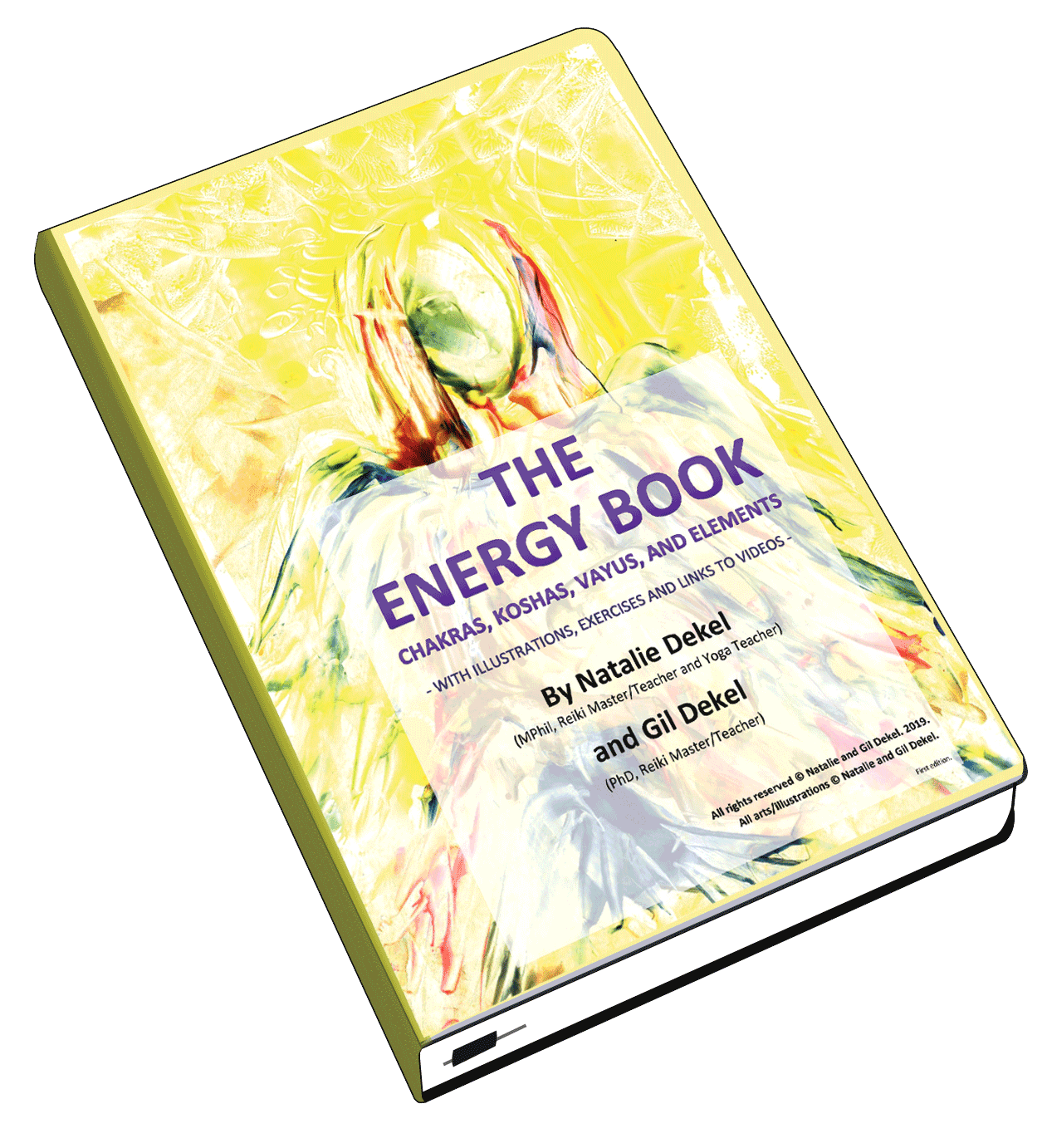
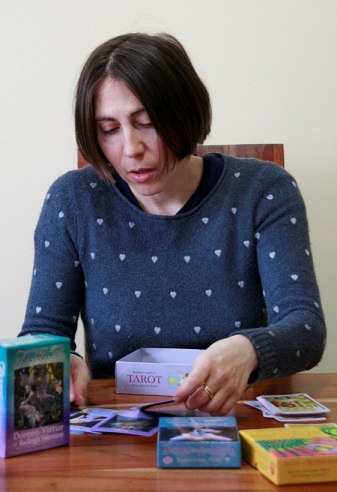 - Reading with Natalie, book here...