

Kanban
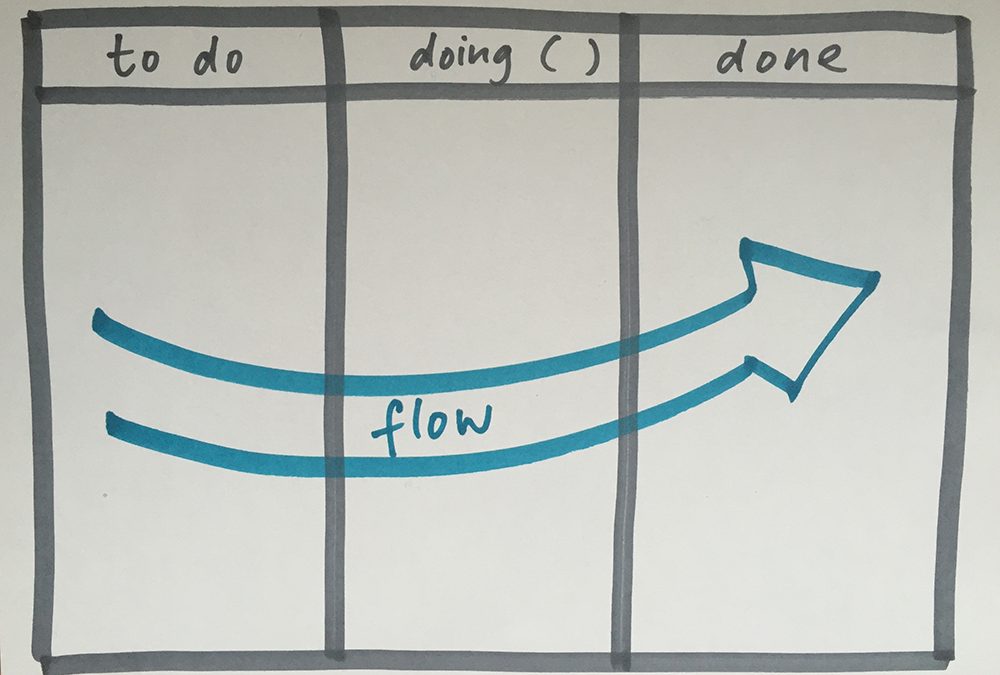
by Gil Dekel. Since the brain processes visual information 60,000 times faster than text, Kanban Method uses a visual system to improve communication in organisations. Using sticky notes on a whiteboard helps to create a ‘picture’ of your work. Kanban (Japanese for...
Self-reflective team-building process.
Gil Dekel, PhD (based on Dr. Goldsmith’s model¹). Many team-building processes fail because participants are asked to solve other people’s issues instead of solving their own. The following article proposes a process where people take responsibility for solving their...
15 tips for setting up a business (sole trader, partnership, or SMB)
By Gil Dekel (founder of Streaming Knowledge). I will share my top tips based on my own experience in market research, VAT, networking, business plan, finding good accountant… tax return, business entity, brand, and opening a bank account. Feel free to post your...
How to find the right accountant for your business
Advise on how to find good accountant for your business.
Key Lessons from Robert Kiyosaki ‘Rich Dad Poor Dad: What the rich teach their kids – that you can learn too’ (review by Gil Dekel, PhD. Part 4 of 4.)
This is part 4 (of 4). Go to part 1. Part 2. Part 3. 202-203 Be true to yourself, and do not follow the crowd, because in the market it is usually the crowd that show up late for a business. If a great deal is on the front pages, it is too late...
Key Lessons from Robert Kiyosaki ‘Rich Dad Poor Dad: What the rich teach their kids – that you can learn too’ (review by Gil Dekel, PhD. Part 3 of 4.)
This is part 3 (of 4). Go to part 1. Part 2. Part 4. 134 Financial intelligence is about having more options. It is about asking yourself at all times what can be done to improve things. It is not so much what happens, but what solutions you can think of, in order to...
How to run an effective webinar
By Gil Dekel. Here are golden rules to hosting a successful webinar. Everything you need to know in order to prepare, develop, design, promote, and run your effective webinar. I will explain what to do before, during, and after your webinar: Before the webinar...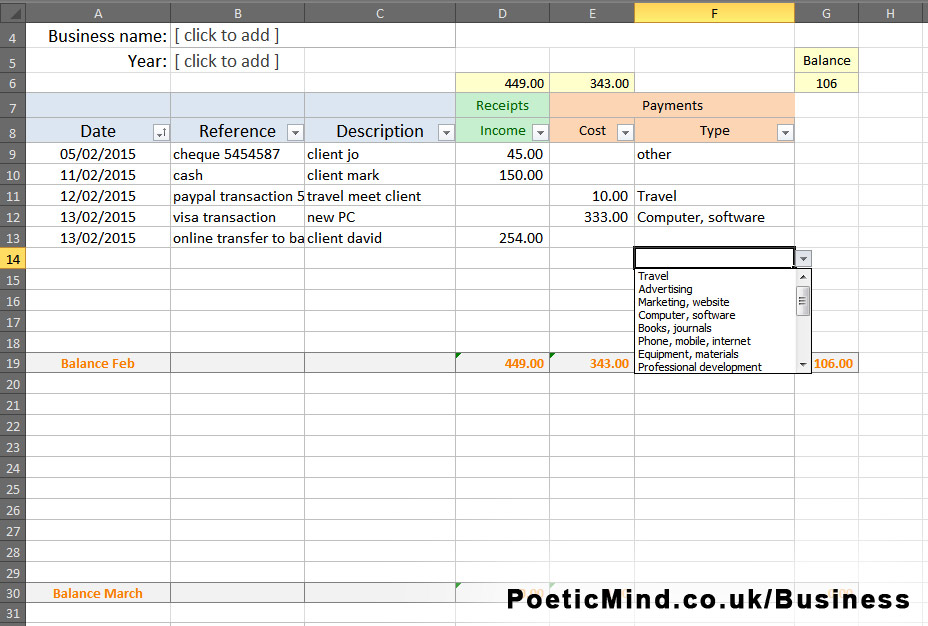
Free simple bookkeeping Excel spreadsheet
A simple bookkeeping spreadsheet template – this free accounting Excel spreadsheet is perfect for sole-traders and self-employed small businesses. You can download and use it – but do not upload it online. The file works on PC and mac computers. How to...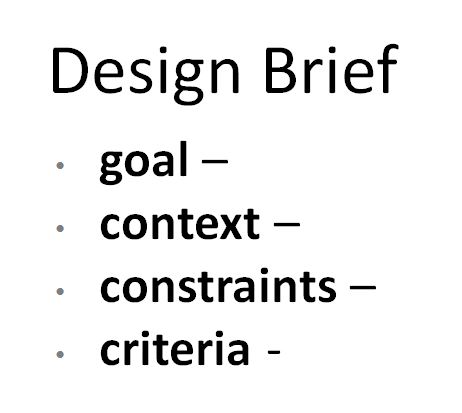
What to write in a Design Brief – with Gil Dekel
Include 4 elements in your design brief: Goal = what to achieve. Context = background, settings, in which the new product must operate. Constraints = specific guidance, such as: a product should not weight more than 1 kilo. Criteria = less specific, they are more...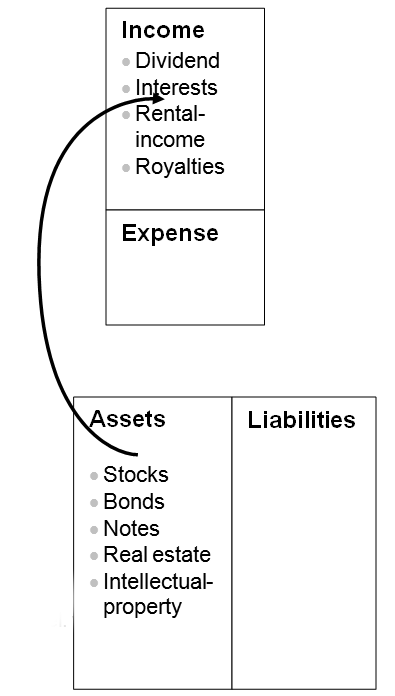
Key Lessons from Robert Kiyosaki ‘Rich Dad Poor Dad: What the rich teach their kids – that you can learn too’ (review by Gil Dekel, PhD. Part 2 of 4.)
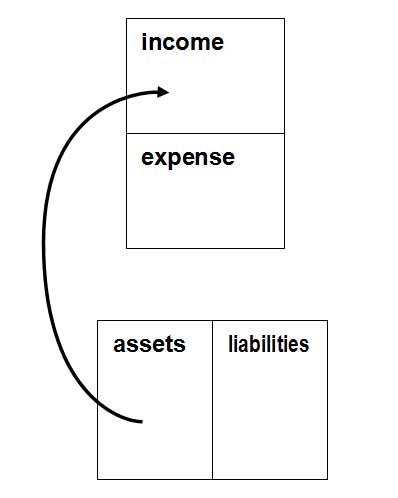
This is Part 2. Back to Part 1. Go to Part 3. Part 4. 74 People struggle financially because they cannot read numbers or words that the rich can. In financial reports, reading the numbers is looking for the plot, the story of where the cash flows. A cash flow pattern...
Financial Audit Tate Organisation
By © Gil Dekel (PhD Art design & Media, & MA Cultural and Arts Management). Table of Content 1. Executive Summary 2. Background and Acknowledgement 3. Aims 4. Scope and Limitations 5. Method 6. Tate Organisation – 6.1 History and Legal Status –...
Lessons from ‘The Social Entrepreneur’ book by Andrew Mawson
By Gil Dekel, PhD. Summary of main insights from Andrew’s experience: – Don’t take ‘no’ for an answer. – Set an example. People will respect that, and gather around you. – Question the consensus, and challenge policy makers. – Fine words cannot...
Structure of Business Plan
by Gil Dekel. In order to reach your destination you must first know where you are standing, and what is the right path for you to take. A business plan is a document that designed to help you identify your business’ current state and the best way to move it forward....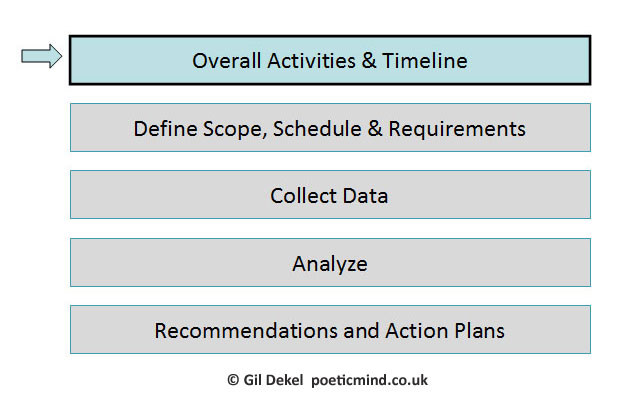
Auditing Process and Structure
by Gil Dekel. Example of a 4-weeks timescale auditing process and structure (for setting up art exhibitions): 1: Define Scope, Schedule & Requirements. Confirm participants and schedule. Meet management to agree the plan for the audit. Review key business plans of...
Key Lessons and Concepts from ‘The 80 Minute MBA’ Book by Richard Reeves and John Knell (summary by Gil Dekel, PhD.)
A concise summary of key lessons and concepts from Reeves and Knell’s Book, with pages numbers. Reviewed by Gil Dekel, PhD. page 48 There is no evidence that charismatic leaders are more successful than non-charismatic ones. We all have our talents, and things that we...
Key Lessons from Alan Sugar Autobiography ‘What You See Is What You Get’ (reviewed by Gil Dekel, PhD). Part 4 of 4.
This is part 4 of 4. « Part 1. « Part 2. « Part 3. 427 In 1999 New Amstrad shares rose up only because the company was in the tech business, even thought they produced nothing. The stock market can sometimes be ‘stupid’ and non-representative. 431 The customer does...
Key Lessons from Alan Sugar Autobiography ‘What You See Is What You Get’ (reviewed by Gil Dekel, PhD). Part 3 of 4.
« Back to part 1. « Back to part 2. This is Part 3 of 4. » Next part 4. 281 With his experience with low-price consumer electronics, Alan had a reference point, and could then envision that IBM computers are actually over-priced, as there was no mystique in computer...
Key Lessons from Alan Sugar Autobiography ‘What You See Is What You Get’ (reviewed by Gil Dekel, PhD). Part 2 of 4.
« Back to part 1. This is Part 2 of 4. » Next part 3. Part 4. 179 Owners of companies tend to exaggerate the value of their companies. Alan would divide the claims they make by two to get a sense of the real situation… 181 In business Alan pays attention to how...
Summary of Selected Concepts from ‘Key Concepts in Management’ by Jonathan Sutherland and Diane Canwell (summary by Gil Dekel, PhD)
This is a very short and concise summary of a few management concepts from Jonathan and Diane’s book (with page numbers as they appear in the book): 24 Benchmarking – Pre-determined set of standards to measure activities. 28-29 Board of directors – Administrative...
A Short Summary of ‘Your Financial Rules: Change Your Mind, Change Your Life’, online webinar by Robert Kiyosaki’s Rich Dad Coaching.
Successful investors posses: A vision – the ability to see what others do not see Courage – the ability to act despite of fear Creativity – the ability to think outside the box Self-confidence – the ability to withstand criticism Self-control – the ability to delay...
Key Lessons from Robert Kiyosaki ‘Rich Dad Poor Dad: What the rich teach their kids – that you can learn too’ (review by Gil Dekel, PhD. Part 1 of 4.)
This is part 1 (of 4). Go to Part 2. Go to Part 3. Part 4. As a self-made millionaire and a financial teacher, Robert Kiyosaki describes in simple terms some financial ‘secrets’ that rich people know, and which will help you escape the ‘rat race’, and achieve...

 - Reading with Natalie, book here...